AI for Lead Follow-Up: How to Never Let a Lead Go Cold Again
80% of sales require 5+ follow-ups to close — but 44% of reps give up after one. That's not a motivation problem. Here's how AI can AI follow up on leads automatically, so the gap closes itself.
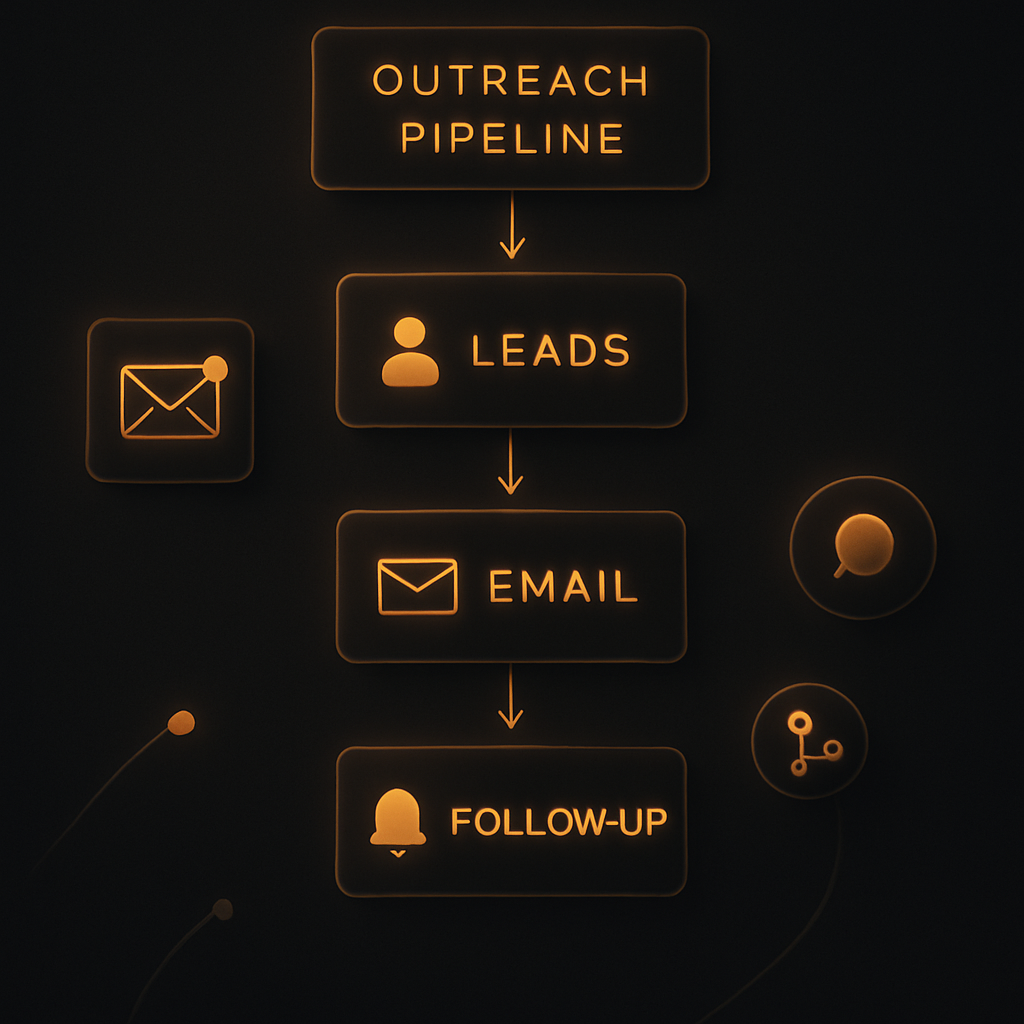
Research from Invesp puts the number in stark terms: 80% of sales require 5 or more follow-ups to close. Yet 44% of salespeople give up after a single attempt. That's not laziness. It's a systems problem. People forget, get busy, reprioritize. AI doesn't.
The leads going cold in your pipeline right now aren't lost because the prospect wasn't interested. They're lost because no one followed up at the right moment. This post covers what AI lead follow-up actually means in practice, how it compares to doing it yourself or using CRM sequences, and how to set it up in minutes with Deputy.
Why leads go cold (it's not what you think)
It's not that salespeople don't know they should follow up. Everyone knows. The breakdown happens in execution — and for a specific reason.
Each individual follow-up feels low-stakes. The lead from the event last Tuesday. The proposal you sent on Thursday. The intro call that went well but ended with "let me think about it." None of these feel urgent enough to interrupt what you're doing right now — so they get deprioritized until the moment passes.
And every follow-up requires context-switching: find the thread, remember what was discussed, draft something that doesn't sound like a template, figure out the right tone. That's a meaningful cognitive load when multiplied across a full pipeline.
The cost compounds quickly. According to Harvard Business Review, 73% of leads go cold within 24 hours of first contact. That's the window. Miss it and you're fighting much harder to re-engage someone who has already moved on mentally.
AI lead follow-up is the automated, context-aware process of re-engaging prospects on a schedule — without a human triggering each message. Unlike static email sequences, AI-driven follow-up adapts timing and content based on prior interactions, response patterns, and contact context stored from previous conversations.
What AI lead follow-up actually looks like
This is not a drip sequence. A drip sequence is email marketing — you build a cadence upfront, write every step, set delays, and send the same messages to everyone in a segment. That's useful for cold outbound at volume. It is not the same as AI lead follow-up.
AI lead follow-up is context-driven and individual. You tell Deputy: "follow up with anyone I met this week who hasn't responded." Deputy knows your contacts, knows the conversations you've had, and sends a natural, personalized follow-up via email or SMS — without you drafting anything. You get a summary of what it sent.
Here's the step-by-step of how it actually works:
- Connect your calendar and email. Deputy pulls context from your existing meetings and email threads — no manual data entry required.
- Give Deputy the context. Text it: "I met James at the Austin conference, he's interested in our Q2 contract. Follow up in 2 days if he hasn't responded." That's the entire instruction.
- Deputy tracks response status. It monitors whether James has replied to any related thread. No manual checking. No CRM task to set.
- Deputy sends the follow-up on your timeline. Personalized, using the context from your original instruction. It may confirm the draft with you before sending — you can edit or approve in one text.
- You get notified when someone responds. Deputy texts you a summary of their reply and suggested next actions. You close the loop from your phone.
This is what separates it from AI that chats vs. AI that acts. A chatbot can write you a follow-up email. Deputy sends it.
The comparison — AI follow-up vs doing it yourself vs CRM sequences
The three options most salespeople and founders are working with — and where each one breaks down.
| Manual follow-up | CRM drip sequence | Deputy AI follow-up | |
|---|---|---|---|
| Requires you to remember | Yes | No | No |
| Personalizes each message | Yes | Rarely | Yes |
| Works across email + SMS | Yes | Email only (usually) | Yes |
| Setup required | None | Hours | Minutes |
| Cost | Your time | $50–200/mo | Pay-as-you-go |
| Works while you're busy | No | Yes (but generic) | Yes (and personalized) |
Manual follow-up wins on personalization but loses on execution — it requires you, consistently, at the right moment. CRM sequences remove the human execution burden but produce generic messages and take hours to configure properly. Deputy sits in the gap: personalized like manual, automated like a sequence, setup measured in minutes not hours.
When AI follow-up matters most (and when it doesn't)
AI follow-up earns its keep in these situations:
- Sales conversations that ended with "I'll think about it"
- Proposals sent — tracking whether the prospect has responded within your target window
- Introductions made at events or over email that went quiet
- Anyone who showed strong interest in a first conversation but hasn't replied since
- Client check-ins where you want to stay top-of-mind without scheduling a call
It is not the right tool for:
- Cold outbound at scale. If you're running a 500-contact prospecting campaign with a defined multi-step cadence, use a dedicated sequence tool — Apollo, Lemlist, or HubSpot sequences are built for that.
- Transactional confirmations. Order confirmations, booking reminders, receipt follow-ups — your CRM or e-commerce platform handles these better.
The honest framework: sequences for outbound volume, AI for everything that requires context and judgment. Most businesses need both. See Deputy for sales for a fuller picture of where AI fits in a sales workflow.
Stop losing deals to forgotten follow-ups
Tell Deputy who to follow up with. It handles the rest — drafting, sending, and tracking replies — automatically.
Try Deputy FreePay only when Deputy does work for you.
How to set up AI lead follow-up with Deputy
Setup takes under five minutes. No workflow builder. No CRM required.
Step 1: Sign up and connect your calendar and email.
Create your account at app.deputy.cloud. Connect your Google or Outlook calendar and email. This is what gives Deputy the context it needs — your existing conversations and contacts, not a CRM import.
Step 2: Tell Deputy who to watch and what to say.
Use natural language. No forms, no sequence builder. Text Deputy: "If someone doesn't respond to my proposal within 3 days, send a follow-up asking if they have questions." Or: "Follow up with everyone I met at the Austin event last Thursday — I want to check in and offer a 20-minute call." That's the entire instruction.
Step 3: Let it run — Deputy texts you when someone responds.
Deputy monitors the conversations, sends follow-ups on the timeline you specified, and texts you the moment someone replies — with a summary of their response and suggested next steps. You stay in the loop without being in the middle of every exchange.
For a broader look at what automating follow-up looks like across channels, see our guide to automating follow-up emails with AI.
What happens when Deputy follows up on your behalf
The message Deputy sends doesn't read like an automation. It reads like you — because the intelligence behind it came from you. The contact's name, the topic you discussed, the timing, the tone: all drawn from the context you provided.
Here's what the follow-up loop looks like compared to the manual process most people are running today:
| Step | Manual process | With Deputy |
|---|---|---|
| Remember to follow up | You — calendar reminder, sticky note, CRM task | Deputy — scheduled from your original instruction |
| Find the thread | You — search inbox, reconstruct context | Deputy — pulls context from calendar and email automatically |
| Draft the message | You — open Gmail, think, write, edit | Deputy — drafted from your context, confirmed via text |
| Send it | You — manually, whenever you get around to it | Deputy — automatically at the right time |
| Track replies | You — check inbox periodically | Deputy — notifies you via text with summary |
| Send second follow-up | 44% of reps never do (Invesp) | Deputy — automatic if no reply received |
The compounding effect matters here. It's not just that Deputy sends one follow-up you would have forgotten. It's that it sends every follow-up, consistently, across every open conversation in your pipeline — including the ones you don't think about because they've already slipped out of your working memory.
A 2021 study from the Journal of Business Research found that persistence and timing are the two most predictive factors in whether a sales follow-up converts — and that most salespeople abandon both well before the optimal window. AI removes the execution barrier on both dimensions simultaneously.
"We care a lot more about the last mile and 'making things actually work' than the glitzy demos."
Louis Amira
Founder & CEO, Deputy / Circuit & Chisel
FAQ
How do I automatically follow up with leads using AI?
Connect an AI assistant like Deputy to your calendar and email, then tell it in plain language who to follow up with and when. Deputy monitors response status and sends follow-ups on the schedule you set — no sequences or automations to build. You get notified when someone replies.
What is the best AI tool for lead follow-up?
For relationship-based follow-ups — warm leads, post-meeting outreach, proposals sent — Deputy is purpose-built for this use case. You tell it who to follow up with and it handles the rest across email and SMS. For bulk cold outreach at scale, dedicated sequence tools like Apollo or Lemlist are better suited. Most growing businesses benefit from using both.
Can AI send follow-up emails automatically?
Yes — tools like Deputy connect to your email and send follow-up messages autonomously based on a single natural-language instruction. Most AI chatbots can draft a follow-up but require you to paste and send it manually. Deputy handles the full loop: drafting, scheduling, sending, and alerting you when someone responds. This is the distinction between AI that acts versus AI that chats.
How does Deputy handle lead follow-up?
You text Deputy with context — the person's name, what you discussed, and any timing instructions. Deputy tracks whether they've responded, sends a personalized follow-up on the schedule you set, and texts you when they reply with a summary and suggested next steps. No dashboards, no workflow builders, no CRM required. For details on how it compares to automating follow-up emails more broadly, see our full breakdown.
Is AI lead follow-up better than CRM drip sequences?
They solve different problems. CRM drip sequences work well for high-volume cold outreach with a defined cadence — but they require hours of setup and produce generic messages. AI follow-up via Deputy works better for context-dependent conversations: warm leads, proposals, event intros. It personalizes each message using the context you provide and requires no setup beyond a single text. According to Invesp, most deals close after 5+ follow-ups — the tool that gets you to 5 consistently, with minimal friction, is the one that matters.
Louis Amira
CEO, Circuit & Chisel
Louis builds AI infrastructure for autonomous agents. Deputy is Circuit & Chisel's personal AI assistant product, built on the ATXP agent platform.